Cold Weather, Heating Failure & Winter Storms
Keeping Warm in Winter
A cold home is dangerous long before it feels dramatic. Layers, weatherproofing and a safe backup heat source go a long way when the heating or the power fails.
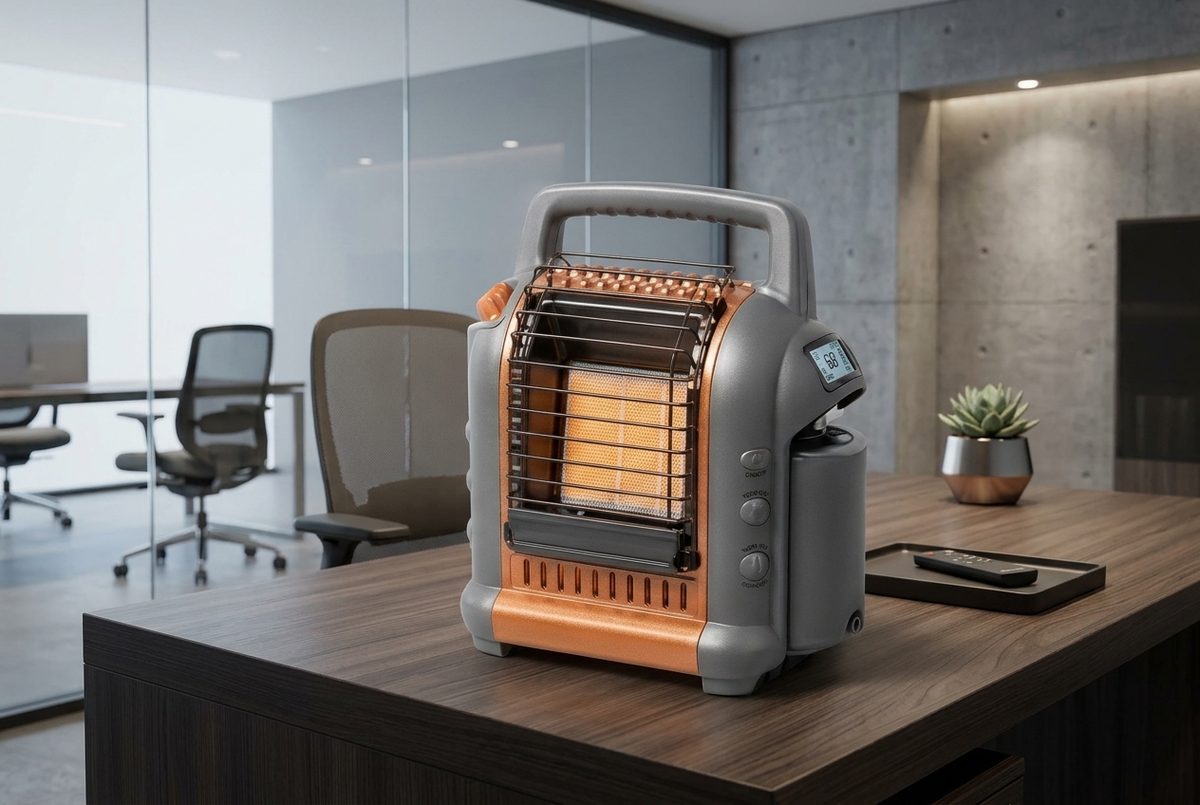
★ Our Pick: Mr. Heater Buddy (4,000-9,000 BTU) →64°F
the minimum living-room temperature commonly advised for people at risk in the cold
NHS / Age UK
95°F
body temperature below this is hypothermia, which needs urgent medical help
NHS
CO
carbon monoxide from fuel-burning heaters is odorless and deadly: fit an alarm
NHS / CDC
Dress for the House You Have
Staying warm is mostly about trapping the heat your body already makes.
- Wear several thin layers rather than one thick one, with a close-fitting base layer against the skin
- Cover your head, hands and feet, which lose heat quickly
- Keep a hat and warm socks by the bed, and sleep in layers if the heating is off
- Use a hot water bottle or a sleeping bag rated for low temperatures to keep the core warm overnight
Keep the Heat In
A small amount of heat goes a lot further in a draft-free room.
- Seal gaps around doors and windows with door draft stopper strips and bottom-of-door seals
- Close curtains at dusk, and shut doors to rooms you are not using
- In a power outage, choose one room to heat and live in, ideally small and away from the prevailing wind
- Use foil rescue blankets as emergency insulation, not as a replacement for proper bedding
Heating Safely
Most winter emergency deaths from heating at home are preventable.
- Never burn charcoal, run a barbecue, or use a generator or camping stove indoors, as they produce carbon monoxide
- Only use a heater designed for indoor use, follow the ventilation guidance, and never leave it running while you sleep
- Fit working carbon monoxide and smoke alarms and test them regularly
- Keep anything flammable well clear of heaters, and keep a fire blanket or extinguisher handy
Frozen Pipes, Ice and the Car
A freeze can cause damage as well as discomfort.
- Lag exposed pipes and know where your main water shutoff valve is, so you can shut off the water quickly if a pipe bursts
- Keep ice melt or grit and a shovel for paths and steps, and de-icer and a scraper for the car
- Keep a blanket, warm clothes, a flashlight, water, snacks and a charged phone in the car in winter
Spot the Warning Signs
Hypothermia can be hard to spot because it dulls judgement.
- Shivering, pale cold skin, tiredness, confusion and slurred speech are warning signs
- Move the person somewhere warm, remove any wet clothing, wrap them in blankets and give warm drinks if they are alert
- Call emergency services for severe symptoms and check regularly on elderly or vulnerable neighbors
Shop This Kit
Winter Warmth Kit
Mr. Heater Buddy (4,000-9,000 BTU)
View on Amazon →
TETON Sports Celsius XL (0°F)
View on Amazon →
Thermajohn Thermal Underwear Set
View on Amazon →
Frost King Foam & Foil Pipe Insulation Wrap
View on Amazon →
Scotwood Road Runner Ice Melt (20lb)
View on Amazon →
Primacare Mylar Foil Rescue Blankets (12-pack)
View on Amazon →