The Survival Medic
In a real emergency, a pharmacy or A&E may not be a short drive away. The gap between a minor injury and a serious one is often just whether someone had the right supplies and knew how to use them.
★ Our Pick: BIRKOSCH Comprehensive First Aid Kit →The First Aid Kit That's Actually Useful
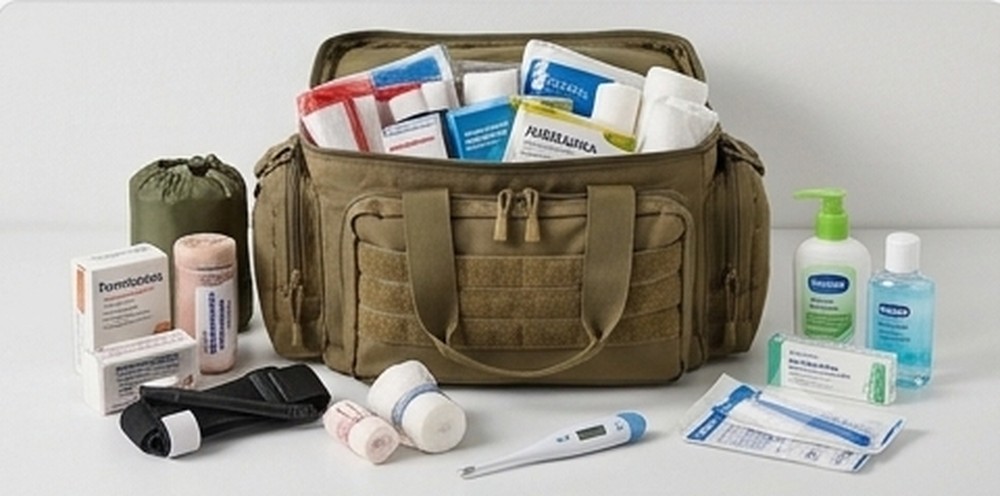
Most shop-bought kits are built for a scraped knee, not a real injury. Build — or upgrade — yours to cover more:
Checklist: Is Your Kit Ready?
- Wound care beyond plasters — gauze, non-stick dressings, medical tape, and a proper compression bandage for serious bleeding
- A splint or SAM splint for sprains and suspected fractures until proper care is reachable
- A digital thermometer, tweezers, and blunt-tip scissors — small items that get used constantly
- Basic over-the-counter medication — pain relief, antihistamines, anti-diarrhoeal, and rehydration salts
- Nitrile gloves — for treating anyone else safely, including a stranger
Hygiene Without Running Water
Illness in a genuine emergency is more often caused by poor hygiene than by the disaster itself. This is the least glamorous prep item and one of the most important.
- Hand sanitiser and wet wipes cover most needs when the taps aren't running
- A supply of soap and a way to heat water, even just enough for hands and dishes, cuts illness risk significantly
- A plan for toilet use if the mains sewage or water supply fails — a bucket toilet kit with bags and absorbent material is unglamorous but essential
- Keep a separate hygiene kit for anyone managing a wound, to avoid cross-contamination with everyday supplies
Medical Supplies & Medication Management
If anyone in the household takes regular medication, this matters more than almost anything else on this page.
- Keep a minimum two-week buffer of any regular prescription medication where your pharmacy allows it
- Store a written list of everyone's medications, doses and any allergies with your documents, not just in a phone
- Know the shelf life of anything you're storing and rotate it before it expires, particularly anything temperature-sensitive
- For anyone with a chronic condition, talk to a GP in advance about an emergency supply plan specific to that condition
When to Seek Real Help
A first aid kit buys time, it doesn't replace a hospital. Heavy bleeding that won't stop with direct pressure, difficulty breathing, signs of a broken bone, or any loss of consciousness need real medical care as soon as it's possible to get it — treat what's in front of you, but don't mistake stabilising someone for the situation being resolved.
Shop This Kit
Emergency Medical Kit