Flooding, High Winds & Storm Damage
Storm & Flood Ready
Floods and storms are the emergencies most UK and US households are most likely to face. Most of the damage and danger is avoidable if you act before the warning, not during it.
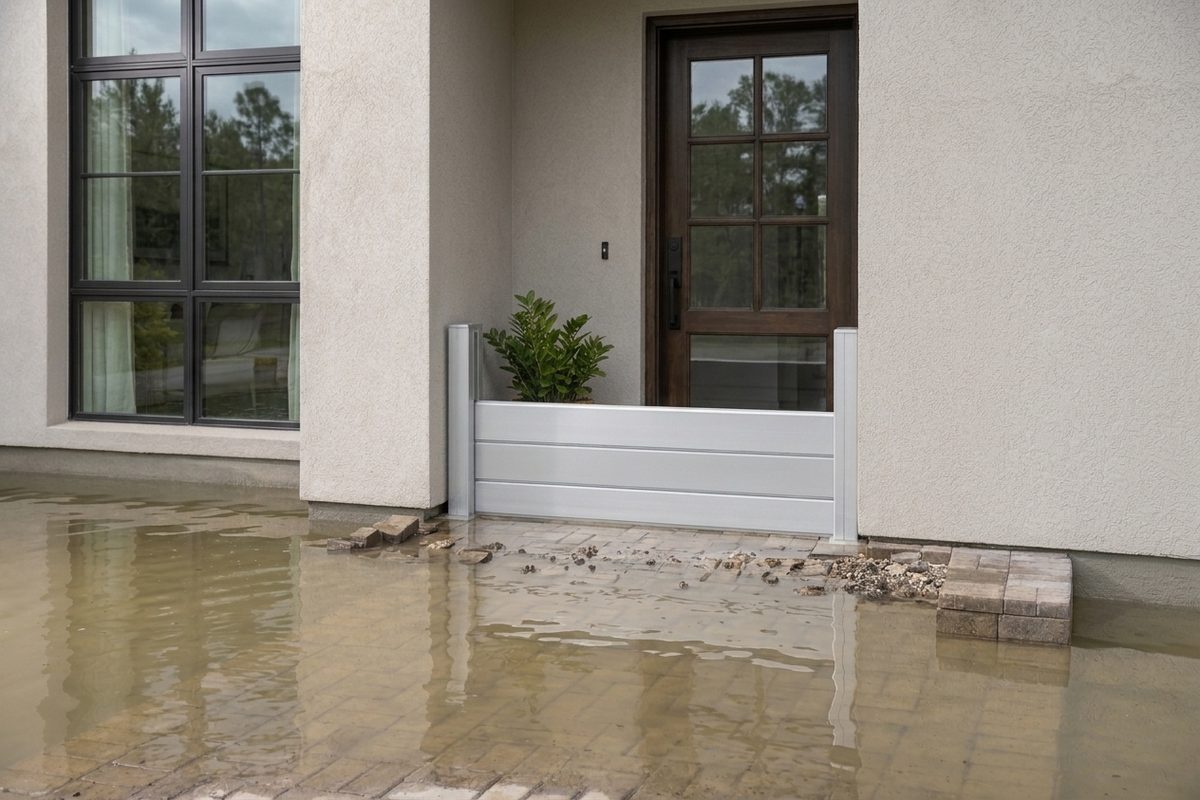
★ Our Pick: FloodSax FS5R Sandless Sandbag Barrier →15cm
of fast-moving water (about 6 inches) can knock an adult off their feet
US National Weather Service
30 days
typical waiting period before a new US flood insurance policy takes effect
FEMA / NFIP
112 / 911 / 999
call if there is a threat to life, and never drive through floodwater
Emergency services
Know Your Risk
Flooding comes from rivers, heavy rain overwhelming drains, the sea and groundwater, and you may be at risk even if you have never flooded before.
- Check your long-term flood risk online: GOV.UK for England, the equivalent agencies for Scotland, Wales and Northern Ireland, FEMA flood maps in the US, and Géorisques in France
- Sign up for flood warnings and keep emergency alerts switched on in your phone settings
- Find out where your nearest higher ground and evacuation route are before you need them
- Check that your home insurance covers flood damage, since many standard policies and renters policies do not
Protect the Home Before the Warning
Barriers and sealing work best when they are in place before the water arrives, not while it is rising.
- Keep flood barriers, sandless sandbags or air brick covers stored where you can reach them quickly
- Move valuables, documents and electronics upstairs or onto high shelves
- Know where the stopcock, gas and electricity cut-offs are, and switch off electricity only if it is safe to reach and you are dry
- Clear gutters, drains and downspouts regularly, because blocked ones are one of the commonest causes of local flooding
- Bring in or tie down anything loose outside before high winds
During a Flood or Storm
Your priority is staying safe, not saving belongings.
- Never walk, swim or drive through floodwater: it hides hazards, can be contaminated and moves faster than it looks
- Move to a higher floor and take your grab bag, phone, charger and medication
- Stay away from windows during high winds, and keep clear of fallen power lines, which you should report to the network operator or emergency services
- Use a battery or wind-up radio for updates if the power or mobile signal fails
After the Water Goes
The danger is not over when the water drops.
- Floodwater can carry sewage and chemicals, so wear waterproof boots and gloves and wash your hands thoroughly after contact
- Do not switch electrics back on until a qualified electrician has checked them
- Photograph the damage before you clean up, then contact your insurer
- Dry out the property thoroughly and treat mould early, since damp spreads quickly after a flood
Shop This Kit
Storm & Flood Kit
FloodSax FS5R Sandless Sandbag Barrier
View on Amazon →
Flood Sock 3m Barrier
View on Amazon →
Mesqool Wind Up Radio (Solar & Hand Crank)
View on Amazon →
Blukar LED Torch Rechargeable
View on Amazon →
Dunlop Hobby Retail Knee-High Wellingtons
View on Amazon →
Earth Pak Waterproof Dry Bag
View on Amazon →