Protect What Matters
Most of what keeps a household safe in a crisis isn't equipment — it's a plan everyone already knows, made before it's needed, when nobody's in a hurry or scared.
★ Our Pick: Firexo All-in-One Fire Extinguisher →Securing Your Home
A harder target is a less attractive one. Most of this is inexpensive and doesn't require any building work:
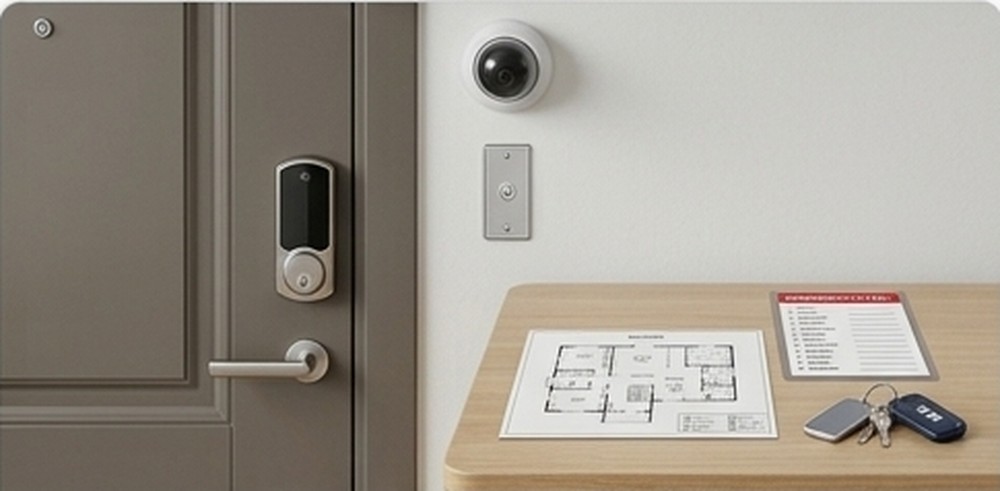
- A visible video doorbell and motion-activated lighting deter far more than they catch
- A smart lock or reinforced deadbolt on external doors is a bigger upgrade than most people expect for the cost
- Keep hedges and fencing low enough that the front of the house is visible from the street — cover helps an intruder, not you
- Don't advertise an empty house — hold deliveries and post when away, and avoid posting travel plans publicly before you're back
Situational Awareness
Most bad situations give some warning before they escalate — the skill is noticing it early enough to act, calmly, rather than reacting once it's already serious.
- Follow one or two reliable local news or official alert sources, rather than reacting to whatever's trending on social media
- Trust a strong gut feeling that something is wrong — it's usually picking up on real details before you've consciously placed them
- Know your area's realistic risks — flooding, wildfire, severe storms — rather than planning for the dramatic scenario you've seen in a film
- Keep half an eye on exits in unfamiliar buildings and public places — a habit, not paranoia
Your Family Emergency Plan
A plan that only lives in one person's head isn't a plan. Write it down, and make sure every adult and older child in the household has seen it.
- Agree two meeting points — one near home, one further away — in case you're separated or can't get back
- Pick one out-of-area contact everyone calls or texts to check in, since local lines are often the first to jam
- Write down who's responsible for what — who grabs the bug out bags, who gets the pets, who collects the kids
- Keep copies of ID, insurance documents and medical information together, and know exactly where they are
Checklist: Is Your Family Plan Ready?
Practicing the Plan
A plan nobody has practiced falls apart under stress. Once or twice a year, walk through it as a household — where the bags are, who does what, where you'd actually meet. It takes twenty minutes and it's the difference between a plan and a document nobody remembers.
Shop This Kit
Home Emergency Protection Kit